
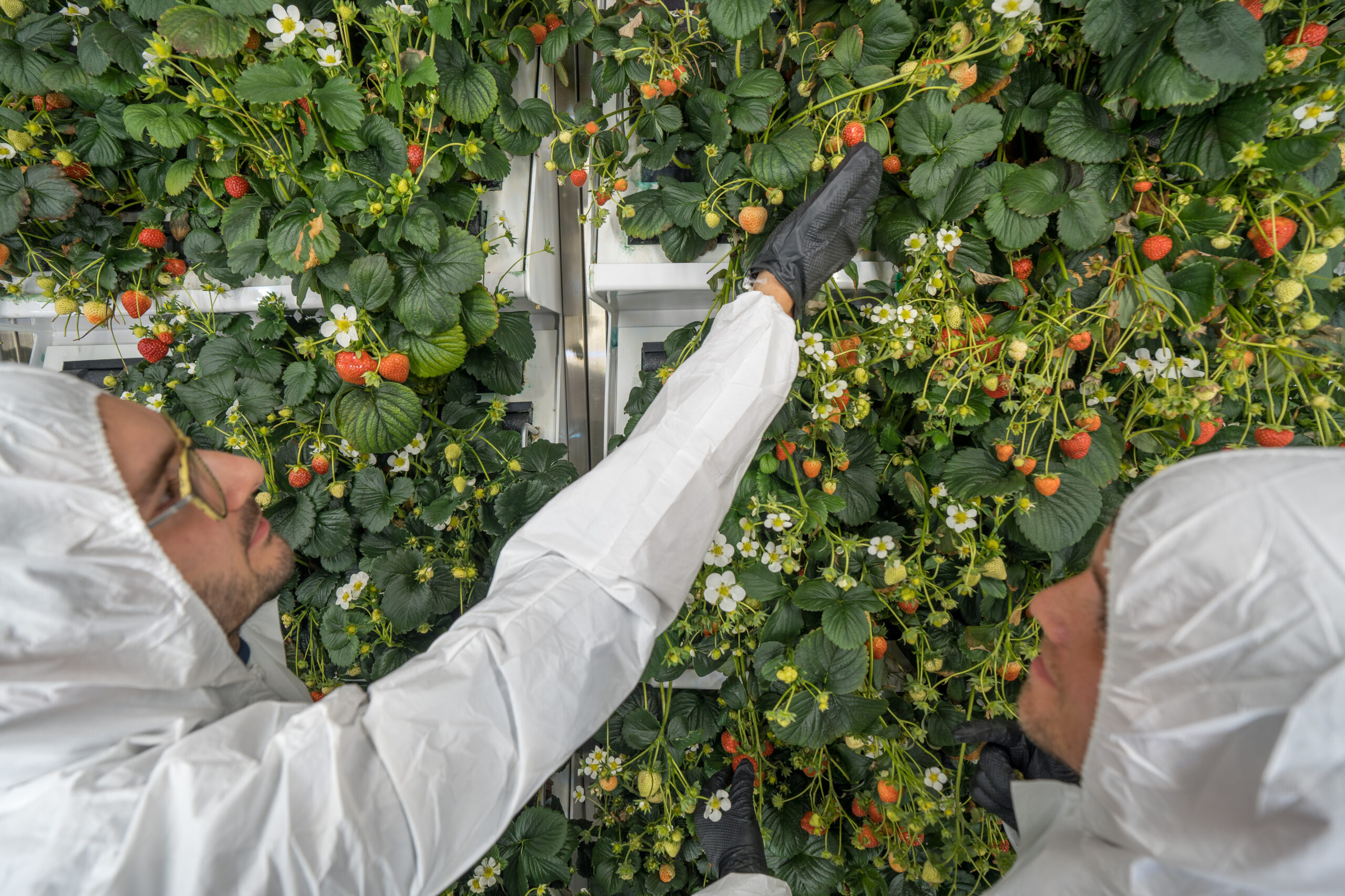
The Homegrown Innovation Challenge is generating a growing body of knowledge that extends well beyond individual projects.
This collection brings together lessons and technical insights from every phase of the Challenge, making that knowledge more accessible and helping ideas and experience move more freely across the sector.
Western University
Energy management and agrivoltaics
Read more
Read less
There is now solid evidence that coupling CEA with solar photovoltaic electricity production can reduce electricity costs and support physically net-zero facilities. This has been established with an experiment in Food Security Structures Canada’s agrotunnel and an open source thermal model for our CEA system that can be adapted to others. See more details here. (Western University team: Shepherd Phase)
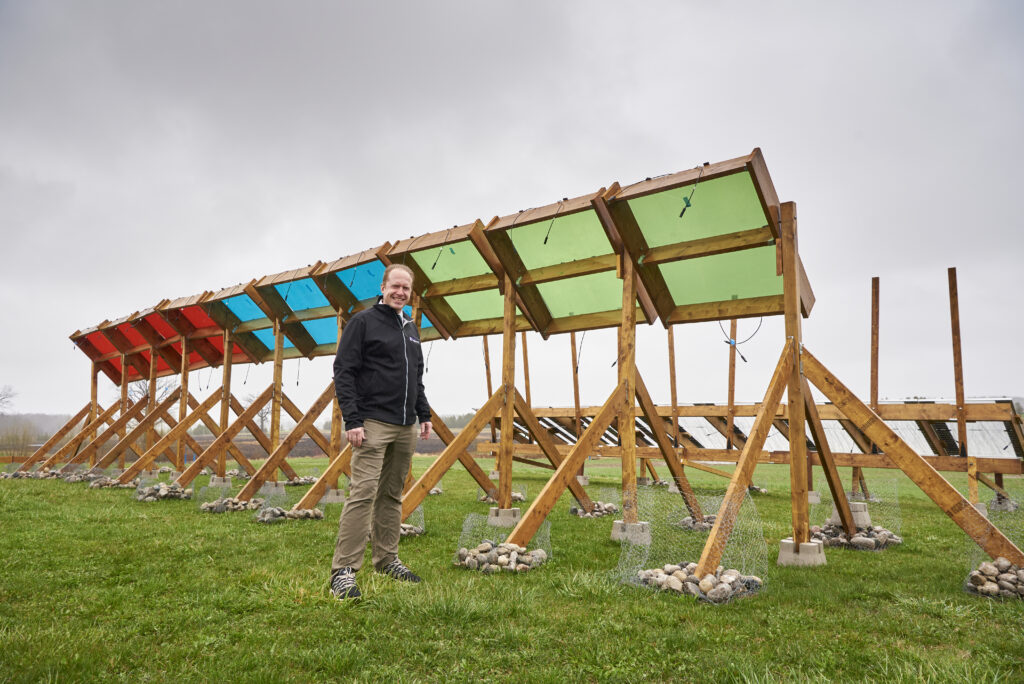
Western University has shown that agrivoltaics (combining outdoor agriculture with photovoltaic systems) can increase yields for crops such as strawberries, lettuce, and turnips in Canada. We have more than a dozen experiments running in the summer of 2026 over larger areas. Find the latest updates and free links here. (Western University team: Shepherd Phase)
Energy efficiency in northern greenhouses depends on integrated climate and energy management. CANberries showed the importance of combining renewable energy, dynamic climate control, and predictive energy modeling from the earliest design stages. The project developed simulation tools and automated controls to optimize heating, cooling, lighting, and solar energy based on greenhouse design, crop needs, and external climate conditions. Reducing fossil fuel dependency and operational energy demand is essential to the economic feasibility of winter berry production in northern climates. (Bishop’s University team: Shepherd Phase)
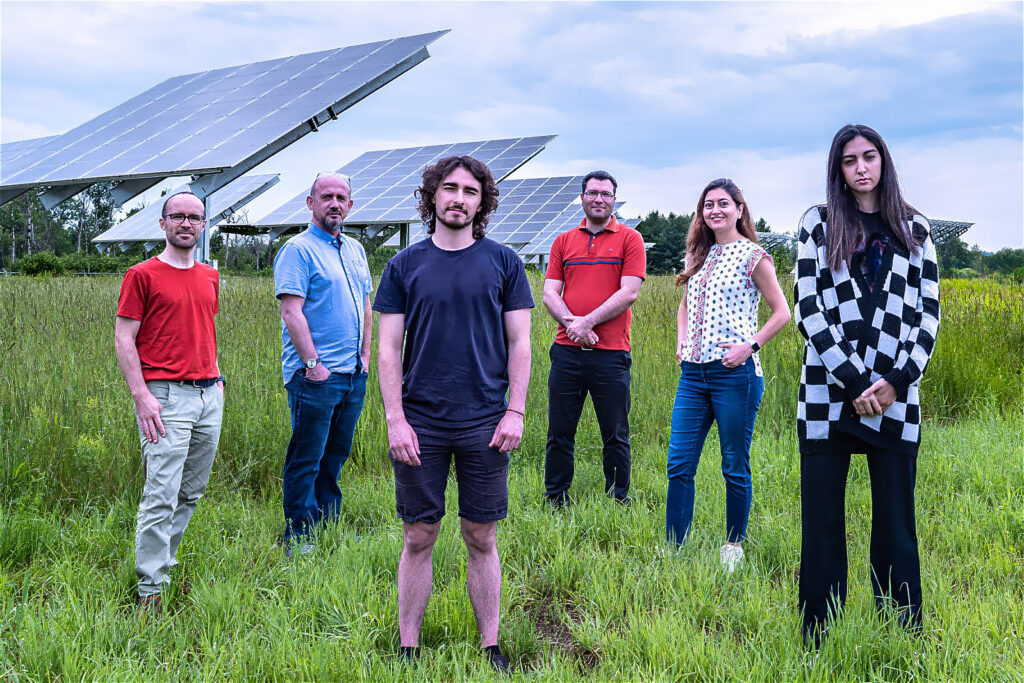
Dynamic agrivoltaic systems can improve crop performance and energy generation. The project validated automated photovoltaic shading strategies that adjusted light transmission across the day. This improved light distribution, reduced overheating, optimized supplemental lighting use, and demonstrated potential for electricity generation to help offset operational costs while maintaining suitable growing conditions for raspberries. (Bishop’s University team: Shepherd Phase)
Reducing winter heat loss changes the economics of year-round greenhouse production: We have validated that multi-layer greenhouse envelopes reduce winter heat loss by up to 70% compared with conventional glass structures. This allows greenhouses, including in cold and northern climates, to maintain stable winter growing conditions with less heating. For commercial berry production, this is critical because wholesale buyers expect consistent year-round supply, and winter production gaps can jeopardize contracts. (Collège Boréal team: Spark and Shepherd Phases)
Canadian grow systems must be designed to maximize exergy use across the full energy pathway. In a climate with shorter winter days and higher heating and dehumidification demands, competitive year-round production depends on capturing high-grade energy inputs and cascading lower-grade outputs, such as heat and latent moisture, before their useful work potential is lost. (Ontario Tech University team: Shepherd Phase)
Toronto Metropolitan University
Plant inputs: fertigation, climate control, pollination
Read more
Read less
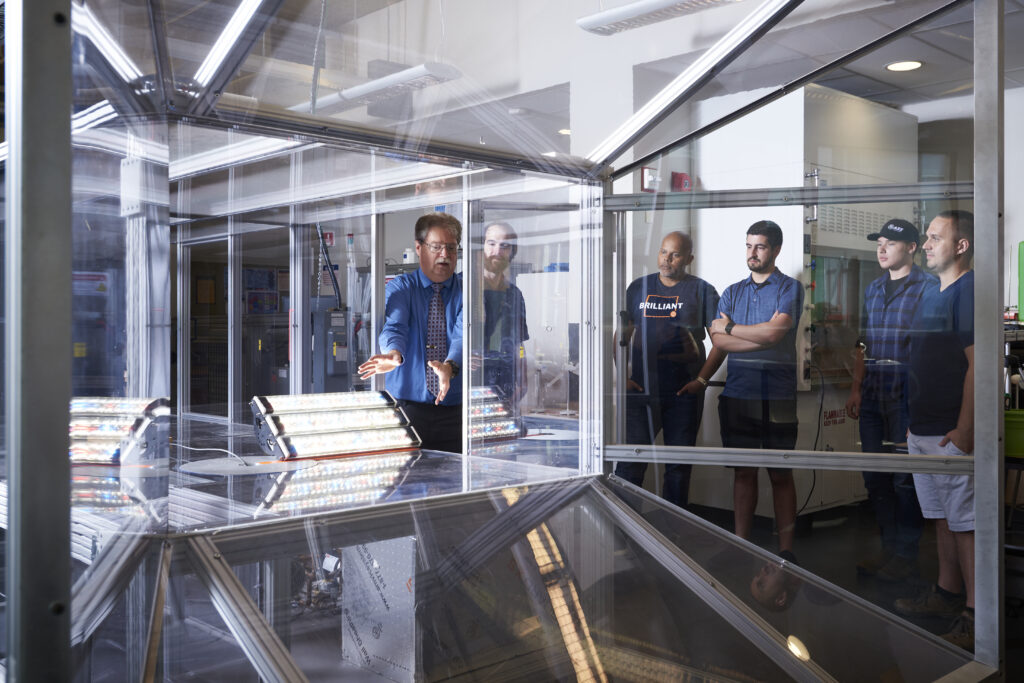
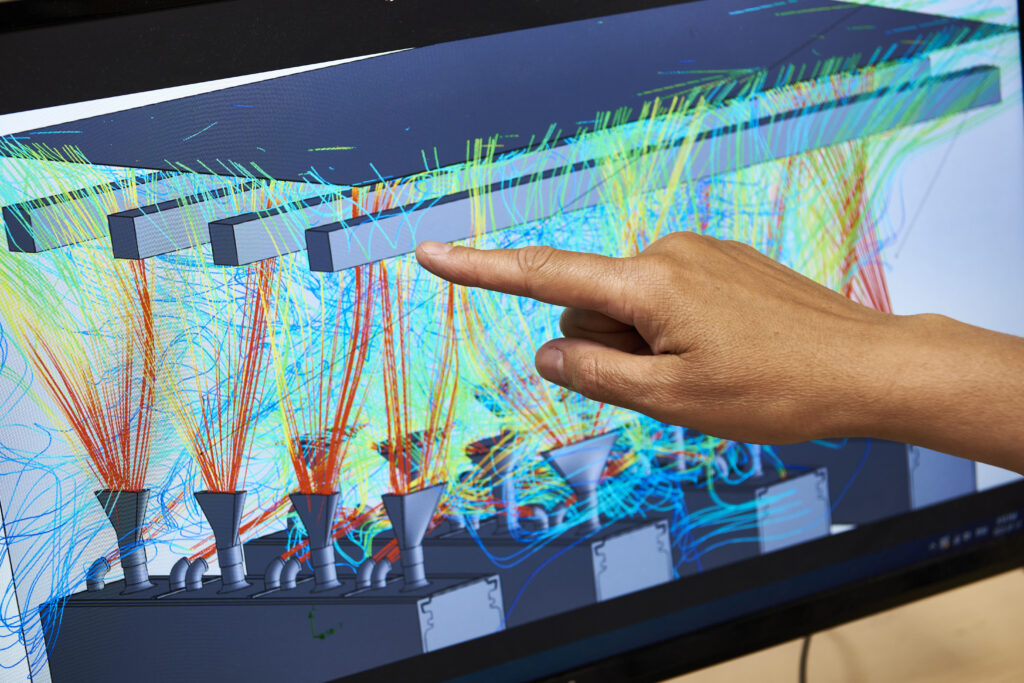
Air management: Effective air management is essential in vertical farming. Uniform, well-controlled airflow is critical in crop stability. By continuously removing excess heat and humidity, it stabilizes the canopy microclimate and reduces environmental stress. These stable conditions enhance plant health, support reliable reproduction, and result in more uniform, predictable yields across production cycles. (Toronto Metropolitan University team: Spark, Shepherd and Scaling Phases)
Autonomous pollination: Natural pollinators, such as bumble bees, are often ineffective in vertical farms due to enclosed environments and the absence of natural light. Precisely guided airflow can support autonomous pollination by moving pollen within the canopy and improving flower-to-flower contact. This can eliminate manual pollination while improving crop uniformity. (Toronto Metropolitan University team: Spark, Shepherd and Scaling Phases)
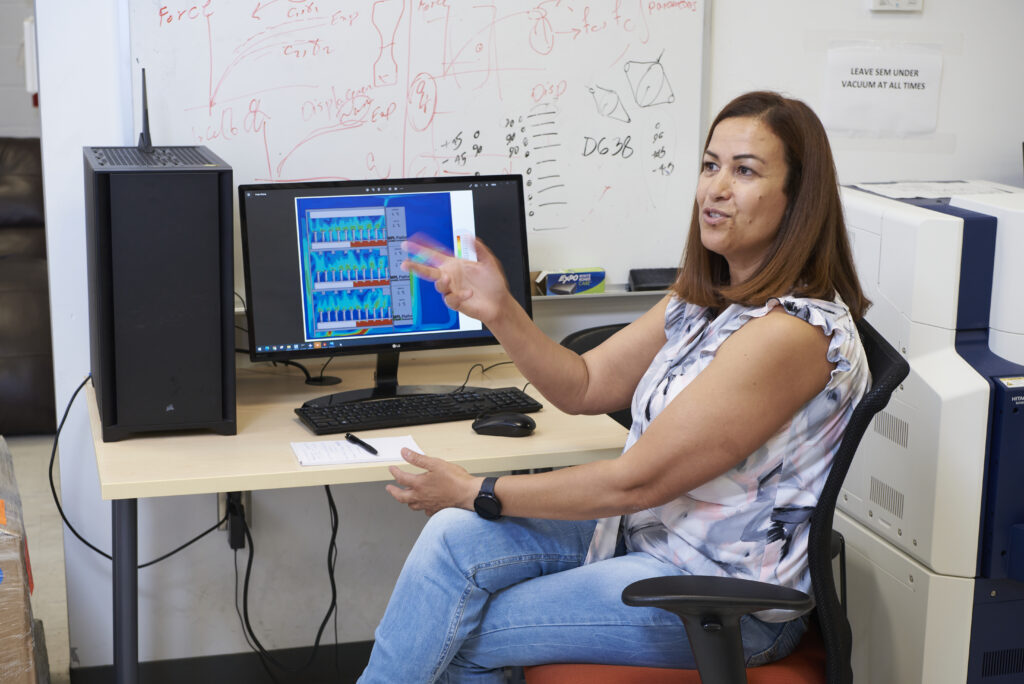
Integrated hydronic climate control reduces the cost of climate control: Our hydronic microclimate control system reduces climate-control energy costs by approximately 40-71%, with savings validated through IESO-supported assessment and published research. The larger insight is that greenhouse HVAC should be designed for year-round microclimate stability, not just heating or cooling capacity. Using hydronic heat transfer, low-grade thermal energy, free cooling, and refrigerant-free adsorption chilling, can maintain ideal conditions at lower cost. (Collège Boréal team: Spark and Shepherd Phases)
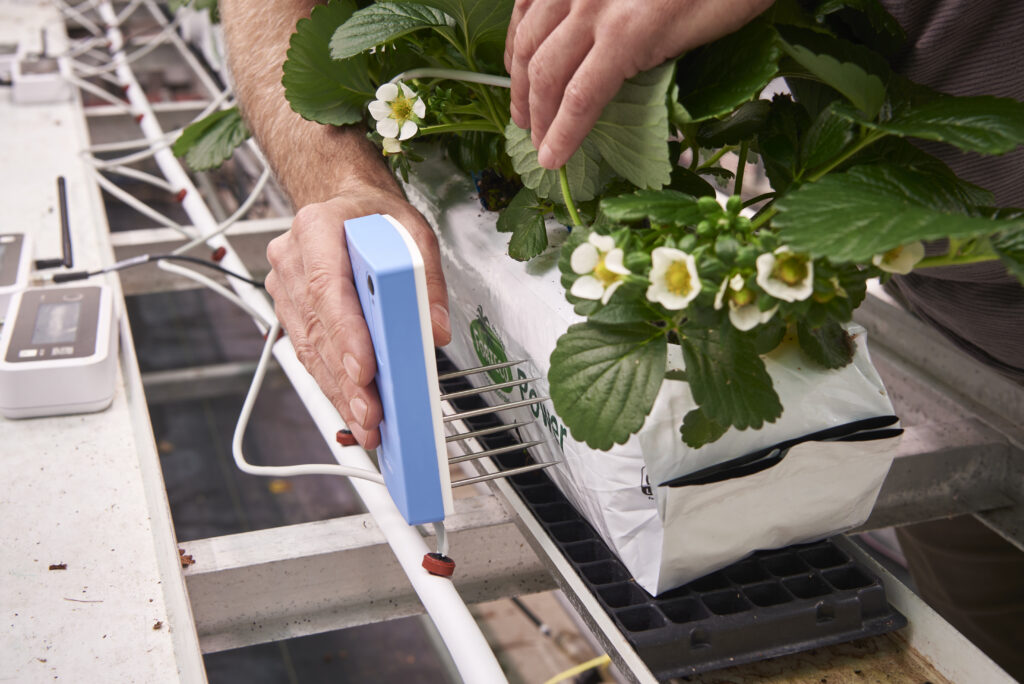
For ‘Albion’ strawberries grown on rockwool and fertigated either with low (1.3 mS/cm) or high (2.0 mS/cm) EC nutrient solution over 20 weeks, berry yield and quality did not differ significantly. This suggests that, for ‘Albion’ strawberries in rockwool, a feeding EC between 1.3 and 2.0 mS/cm is suitable. (University of Guelph team (led by Dr. Youbin Zheng): Shepherd and Scaling Phase)
Maintaining rootzone volumetric water content (VWC%) within a tight range (e.g., 45 to 55%) is not critical to strawberry fertigation management in rockwool. Instead, the fertigation algorithm should focus on: 1) maintaining reasonable overnight dry-back levels, 2) quickly returning VWC to “field capacity” each morning, and; 3) moderating daily irrigation to manage leaching fraction within a reasonable range to balance water use without excessive nutrient accumulation in the rootzone. (University of Guelph team (led by Dr. Youbin Zheng): Shepherd and Scaling Phase)
A properly designed air-to-hot-water heat pump can efficiently recover heat and water from lit greenhouse strawberry cultivation, allowing both to be reused. A coefficient of performance over 4 can be achieved due to high greenhouse air temperatures. Reduced early-spring ventilation can also maintain higher greenhouse CO₂ concentrations, improving strawberry growth and yield. (University of Guelph team (led by Dr. Youbin Zheng): Shepherd and Scaling Phase)
Simon Fraser University
Lighting
Read more
Read less
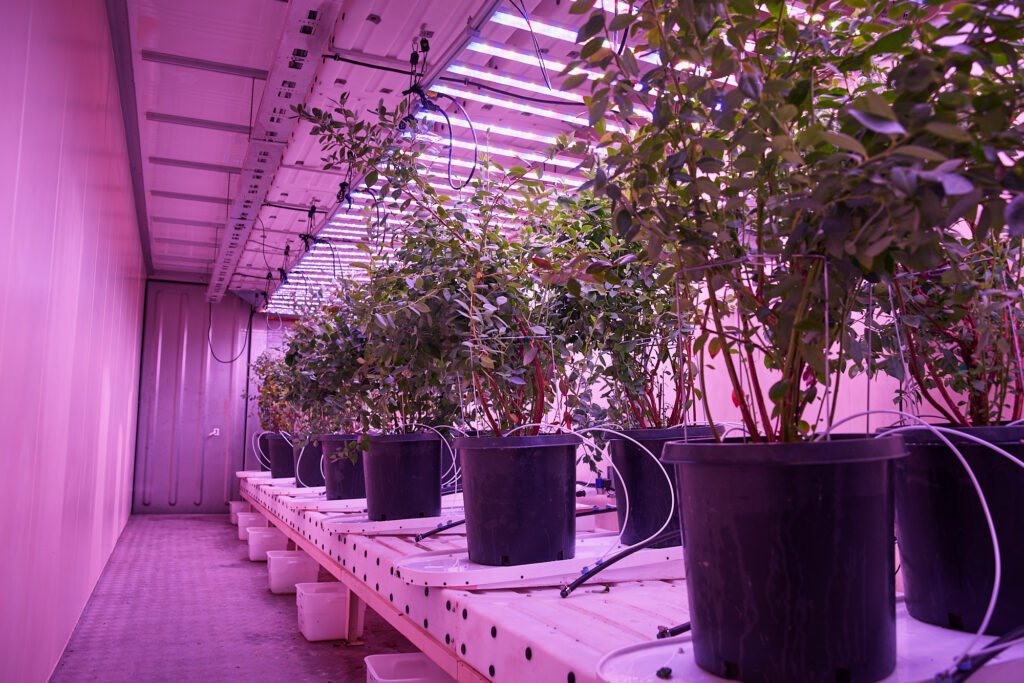
Artificial lighting: Artificial lighting is a primary driver of crop productivity. Performance depends on matching light intensity, fixture placement, spectral output, and canopy uniformity to each growth stage. Poorly designed systems create uneven distribution, energy inefficiencies, and hotspots, while optimized, stage-specific lighting supports uniform vegetative growth, flowering, and fruiting. (Toronto Metropolitan University team: Spark, Shepherd and Scaling Phases)
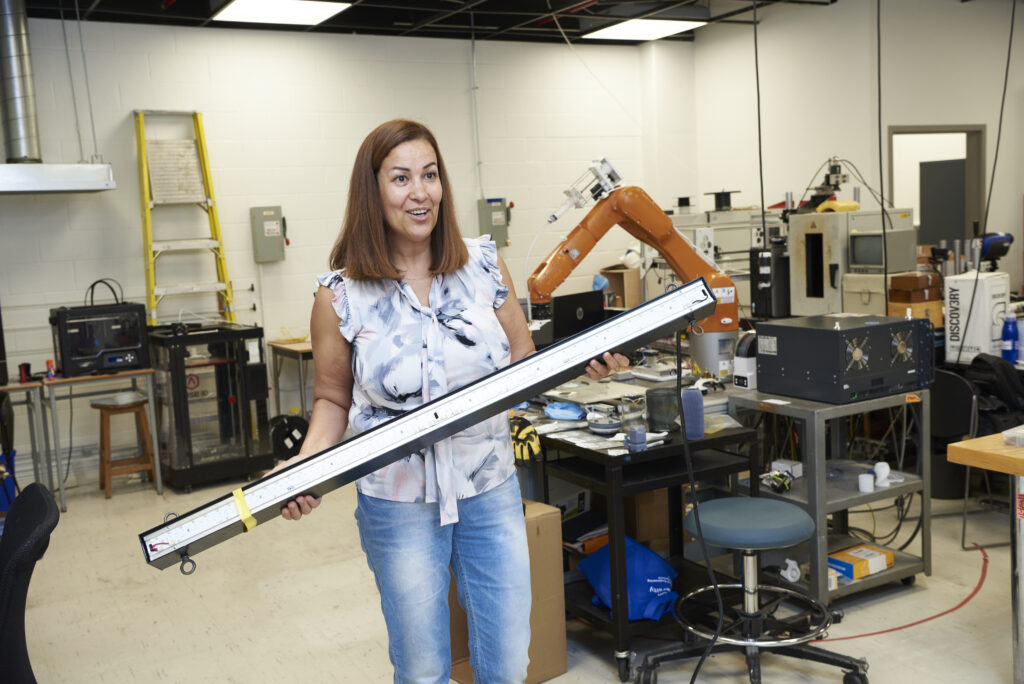
Far red light can promote strawberry transplant development. Adding it to lighting recipes that do not already contain far-red can meaningfully influence transplant development, although the optimal intensity and timing remain unknown. Growers may consider comparing their existing recipes with ones that have varying applications of far-red light. (University of Guelph team (led by Dr. Mike Dixon) Spark and Shepherd Phases)
Spectra may not be the most important consideration for berry quantity and quality. Among the spectra we tested (including a recipe containing far-red light), we could not demonstrate that berry quality or quantity differed statistically. Consequently, growers looking to optimize existing production strategies should first focus on other metrics (such as light intensity, light cost per unit energy, etc.). (University of Guelph team (led by Dr. Mike Dixon) Spark and Shepherd Phases)
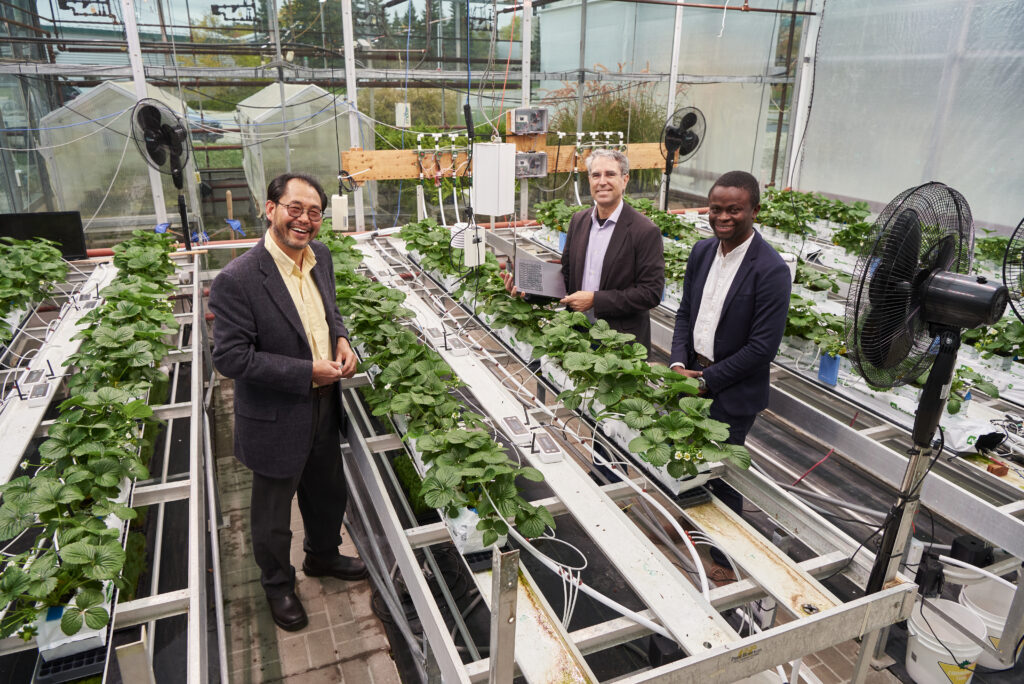
Not all crops are economically suited to production under grow lights alone. For lower-value crops, the cost of electricity for artificial lighting can exceed the market value of the crop produced. Expanding technologies to work with natural sunlight, rather than replacing it, increases their economic viability and broadens the range of crops and growing systems where they can be applied. (Ontario Tech University team: Shepherd Phase)
Strawberry responses to light recipes vary by cultivar. Adding a small amount of far-red LED light (12µmol/m2/s) to white LED light increases berry yield for ‘Albion’ strawberries. Dynamic long-photoperiod, low-intensity lighting with daytime/nighttime changes in intensity and spectrum can reduce electricity demand and delivery charges without compromising ‘Albion’ growth, yield or quality. (University of Guelph team (led by Dr. Youbin Zheng): Shepherd and Scaling Phases)
Year-round strawberry quality depends on lighting strategies that balance crop requirements with greenhouse design and operating costs. We experienced that maintaining strong flavour and consistent brix year-round requires delivering approximately 16 moles of light per day over a 16-hour photoperiod. Greenhouse design also matters: shorter structures or lights positioned closer to the crop require less wattage to achieve the target intensity, reducing heat load and cooling requirements. (Kwantlen Polytechnic University team: Shepherd Phase)
Université Laval
Integrated pest management and plant hygiene
Read more
Read less
Because phytopathogenic organisms rapidly colonize unoccupied niches, maintaining a biologically balanced production environment is essential. Rigorous sanitation SOPs, combined with microbiome engineering in the VertBerry-Cultivar system, support healthy, high-performing strawberry transplants while minimizing phytosanitary risks for the industry. (Université Laval team: Shepherd and Scaling Phases)
Successful greenhouse strawberry production requires IPM strategies designed for cool-climate crops. We found that many standard biocontrol tools are not well suited to the cooler temperatures strawberries require, which limits predator activity and forces compromises in climate management. Starting with clean, high-quality transplants was equally important: infected plant material created persistent pest and disease pressure and increased costs. Fruit treated with biofungicides extended shelf life to 10–14 days, versus 5 days typically expected for strawberries. (Kwantlen Polytechnic University team: Shepherd Phase)
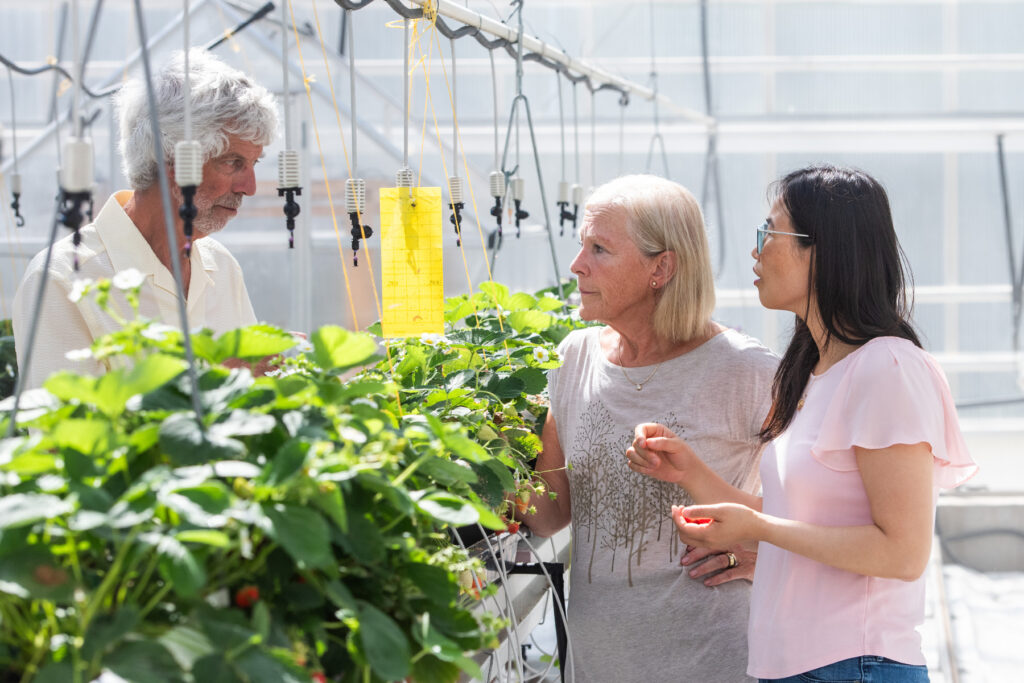
Integrated pest management (IPM) and pollination without chemical pesticides can build on successes in the high-wire vegetable sector: In validating our greenhouse multi-berry production system, we made substantial progress toward IPM protocols for common pest and disease challenges. Managed bumblebee colonies have adapted well to our multi-berry greenhouse system, delivering strong pollination performance. Pollination is not simply a matter of introducing bees; it is an integrated component of production, closely linked to climate control, lighting, airflow, and pest management. (Simon Fraser University team: Spark, Shepherd and Scaling Phases)
We have developed the best-reported computer vision system for determining strawberry ripeness and common diseases using a low-cost camera setup. The open-source code and a web tool are free to use in research or commercial programs. We have also applied this to tomatoes and peppers. If you can provide berry image training data, we would be happy to collaborate with you: [email protected]. (Western University team: Shepherd Phase)
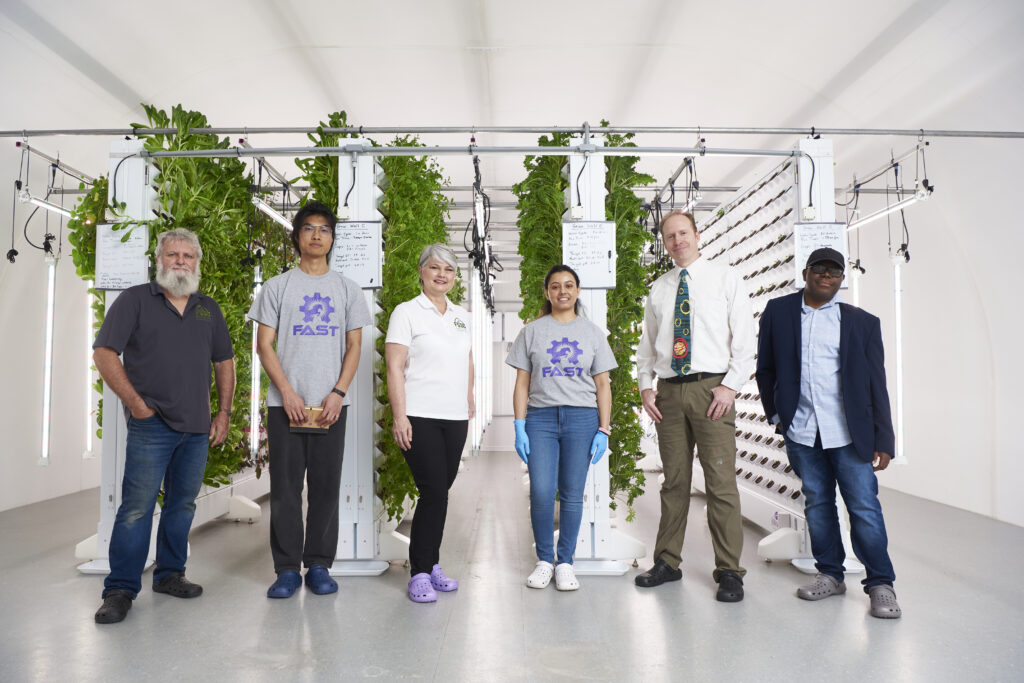

Simon Fraser University
Cultivars, genetics, and transplants
Read more
Read less
Strawberry transplant performance is shaped before they are harvested. Because transplants with greater initial physiology develop more quickly, growers focused on transplant production should prioritize healthy runner development through practices such as higher temperatures (compared to those for berry production), stronger mildew control (to which runner tips are prone), and frequent misting post-harvest to promote rooting. (University of Guelph team (led by Dr. Mike Dixon): Spark and Shepherd Phases)
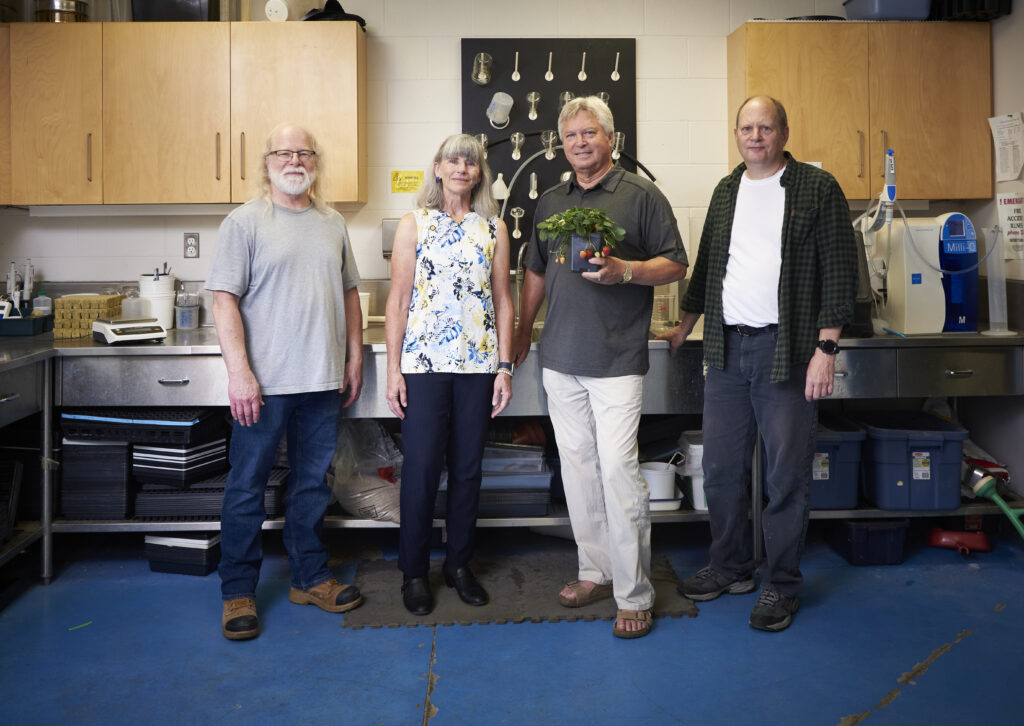
Off-season raspberry production in CEA cannot rely on a single cultivar or production cycle. Unlike strawberries or greenhouse vegetables, raspberries present unique challenges linked to canopy architecture and seasonal physiology. Successful off-season production requires optimizing space, light, climate, pruning, nutrient management, cultivar selection, and crop cycles, rather than transferring existing greenhouse berry models. Combining primocane and floricane varieties with different physiologies and aligning cycles with seasonal energy availability, can extend production while lowering energy use. (Bishop’s University team: Shepherd Phase)
The VertBerry-Cultivar vertical aeroponic system produces healthy, disease-and insect-free strawberry transplants that are resilient and well-adapted to diverse growing conditions. These transplants demonstrate excellent productivity and fruit quality in greenhouse soilless systems across various growing media, and strong plant establishment and growth under field conditions. Increasing the proportion of NH₄⁺ in the nutrient solution promoted the production of high-quality stolons (runners) with a 100% rooting success rate. (Université Laval team: Shepherd and Scaling Phases)
Variety selection and genetics are critical to the profitability and reliability of greenhouse strawberry systems. We found that Albion is not a profitable variety for indoor production, while newer European/UK varieties showed stronger yield, better disease resistance, and improved performance. Continued access to, and development of, varieties bred specifically for greenhouses will be essential for improving fruit quality, plant morphology, yield, and overall economics. (Kwantlen Polytechnic University team: Shepherd Phase)
Variety selection is critical for indoor berry production: Working with world-leading breeding programs, our validation is testing dozens of blueberry, raspberry, and blackberry varieties. Greenhouse environments alter how plants grow, flower, fruit, and respond to stress. Varieties that perform well outdoors may not be commercially viable under protected cultivation. Our first-year pilot trials show that the most profitable greenhouse varieties are not necessarily those with the highest yields, but those that balance yield, earliness, compact growth, fruit quality, and LED lighting responsiveness. (Simon Fraser University team: Spark, Shepherd and Scaling Phases)
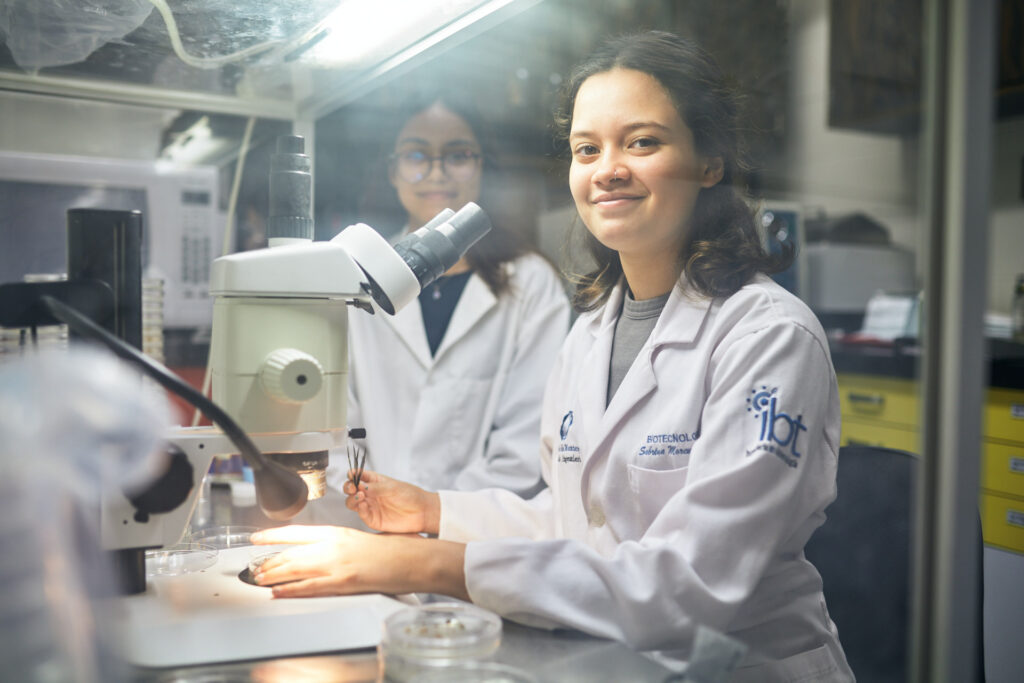
Gene editing in blueberry is feasible: Gene editing can be used to create new blueberry varieties without adding DNA from other organisms. We have developed ways to turn off specific genes that make blueberries more suitable for greenhouse production. While traditional breeding is slow and less precise, often producing unexpected changes in the plants, gene editing allows us to make targeted changes to specific genes more quickly while leaving the rest of the plant’s genes unchanged. (Simon Fraser University team: Spark, Shepherd and Scaling Phases)

Université Laval
Innovation and adoption of solutions
Read more
Read less
Self-maintainable climate systems reduce crop loss and improve remote deployment viability: In many Canadian regions, especially outside of Western BC and Southern Ontario, greenhouse economics are strongly affected by the need for specialized labour and Red Seal trades to service critical equipment. Self-maintainable hydronic systems can reduce downtime, prevent crop loss from HVAC failures, and allow operators to maintain components themselves. They also enable sealed production environments, reducing open ventilation and pest-vector risks while improving consistency, yield, and economics. (Collège Boréal team: Spark and Shepherd Phases)
Strong industry-research partnerships accelerate innovation and de-risk scale-up. The collaboration between academic researchers, commercial producers, substrate specialists, and greenhouse engineers was essential to rapidly identify technical bottlenecks and validate solutions. (Bishop’s University team: Shepherd Phase)
Key considerations when developing a new CEA facility include defining project purpose and feasibility by addressing market demand, customer needs, economic viability, and production challenges. Success also relies on appropriate indoor engineering, reliable equipment adapted to indoor berry production, and strong partnerships among academia, growers, and technology suppliers. Complementary expertise, communication, a shared vision, and mutual trust among partners are critical. (Université Laval team: Shepherd and Scaling Phases)

Innovation must include the pathway to adoption, not just new technologies or novel applications. Successful agricultural technologies must be manufacturable, affordable, serviceable, and supported by training and technical infrastructure so farmers and operators can deploy them in practice. (Ontario Tech University team: Shepherd Phase)
Growers need better-integrated technologies, not more disconnected tools and dashboards. We saw strong potential in biosensors, robotics, automation platforms, climate controls, and decision-support tools, but also experienced dashboard fatigue, recurring subscription costs, and limited interoperability. For CEA technologies to scale, they must integrate easily into grower workflows, provide clear ROI, and avoid locking growers into narrow technology ecosystems. (Kwantlen Polytechnic University team: Shepherd Phase)